Superintendent's Message

superintendent

From the Superintendent of Schools

Dear Cleveland Hill families and community members,

As we approach mid-year, I want to thank our students, families, and staff for the strong start to the school year. We see encouraging indicators of progress across the district. Student attendance and engagement are improving, with fewer students identified as chronically absent and increased participation in academic and extracurricular programs. Mid-year academic data show positive growth in literacy and mathematics, with more students on track than at the start of the year and early evidence that targeted interventions are making a difference. School climate data indicates fewer disciplinary referrals. Family engagement has increased through higher participation in school events and more frequent, constructive communication. While important work remains, these early results suggest we are moving in the right direction and building momentum for continued improvement in the second half of the year.

One of my goals this year has been to ensure that our work as a district is aligned with New York State’s vision for student success, while remaining true to the values and priorities of our community. New York State has introduced the Portrait of a Graduate, a framework that describes the skills, knowledge, and dispositions students should develop by the time they graduate from high school. The Portrait of a Graduate moves beyond test scores alone and reflects what students need to be successful in college, careers, civic life, and beyond. Districts are required to fully implement their Portrait of a Graduate in the 2029 school year.

The NYS Portrait of a Graduate
The NYS Portrait of a Graduate focuses on several key competencies:

Academic Knowledge and Critical Thinking
Graduates demonstrate strong literacy and numeracy skills, think critically, and apply their learning to solve real-world problems.

Communication and Collaboration
Students are able to express their ideas clearly, listen to others, and work productively with diverse groups of people.

Civic Readiness and Cultural Awareness
Graduates understand their role in their community and the broader world, respect diverse perspectives, and engage as responsible citizens.

Social-Emotional Skills and Well-Being
The Portrait recognizes the importance of self-awareness, perseverance, resilience, and healthy decision-making.

Career and Future Readiness
Students explore career pathways, develop transferable skills, and graduate with a clearer sense of purpose and direction for their future.

These are not new ideas at Cleveland Hill. They are already visible in our classrooms, hallways, athletic fields, performance spaces, and community partnerships. Each day, our educators create learning experiences that challenge students, support their growth, and encourage them to discover their strengths and passions.

What does this mean for students and families? More varied demonstrations of learning
Students will have increased opportunities to show what they know through projects, presentations, performances, portfolios, and real-world applications—alongside traditional assessments. Credits based on learning, not just seat time We will continue exploring flexible pathways for earning credit that recognize mastery of skills and content, including interdisciplinary coursework, career-connected learning, and authentic experiences.

Regents exams remain part of the system—but not the whole story
Regents exams will continue to be offered and required where mandated by the New York State. However, they will be one of multiple measures used to understand student progress rather than the sole definition of achievement.

Clear expectations and strong academic standards
De-emphasizing high-stakes testing does not mean lowering expectations. In fact, it allows us to hold students to higher standards by asking them to think critically, apply knowledge, collaborate, and communicate effectively.

Why does this matter?
This approach better prepares students for life beyond high school, where success depends on problem-solving, adaptability, communication, and perseverance. It also ensures that learning remains meaningful, relevant, and connected to students’ goals.

Where will we go from here? As we move toward the 2029 implementation, we will be working with faculty, staff, students, and parents to ask:

• What do we believe a graduate from our district should know, be able to do, and demonstrate?

• How well do our current assessment and credit practices align with our district Portrait of a Graduate?

• What does high-quality, rigorous assessment look like across grade levels and content areas?

• What role should Regents exams play within a multiple measures system?

• How can credits better reflect mastery of learning rather than seat time alone?

• What nontraditional learning experiences (CTE, internships, service learning, interdisciplinary projects) could count toward credit?

• What professional learning opportunities do educators need to design and score high-quality assessments?

• How will we gather feedback and adjust along the way?

Over the next few years, we will be engaging educators, students, and families in conversations about these changes, providing clear communication, and ensure that all graduation requirements remain transparent and well supported. As we move through this work, I remain committed to listening, learning, and leading alongside our community. Together, we will ensure that every graduate leaves our district prepared not only with knowledge but with the skills to thrive in an everchanging society.

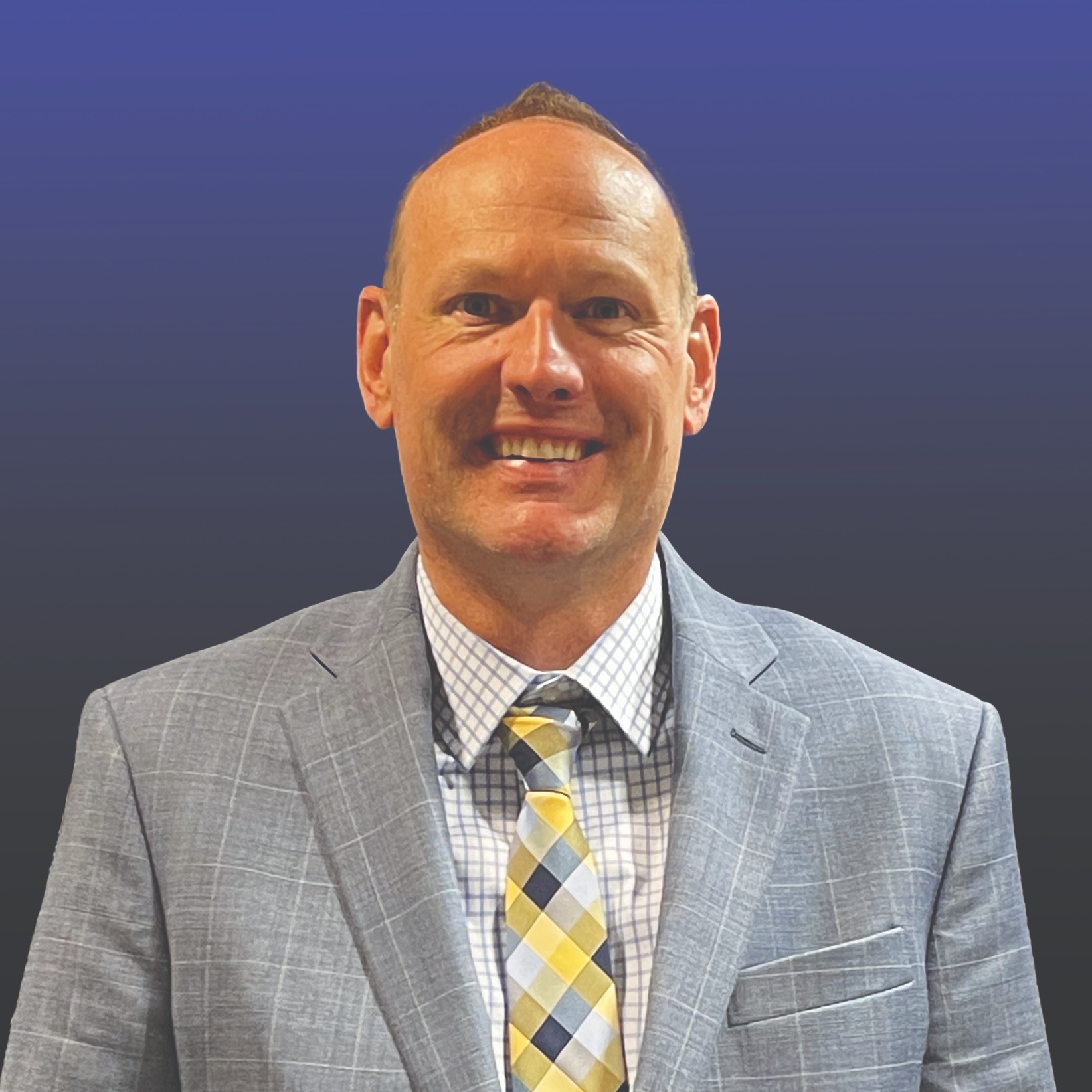
David E. Evans
Superintendent